Find Your Inspired Interior Design

Blog Detail
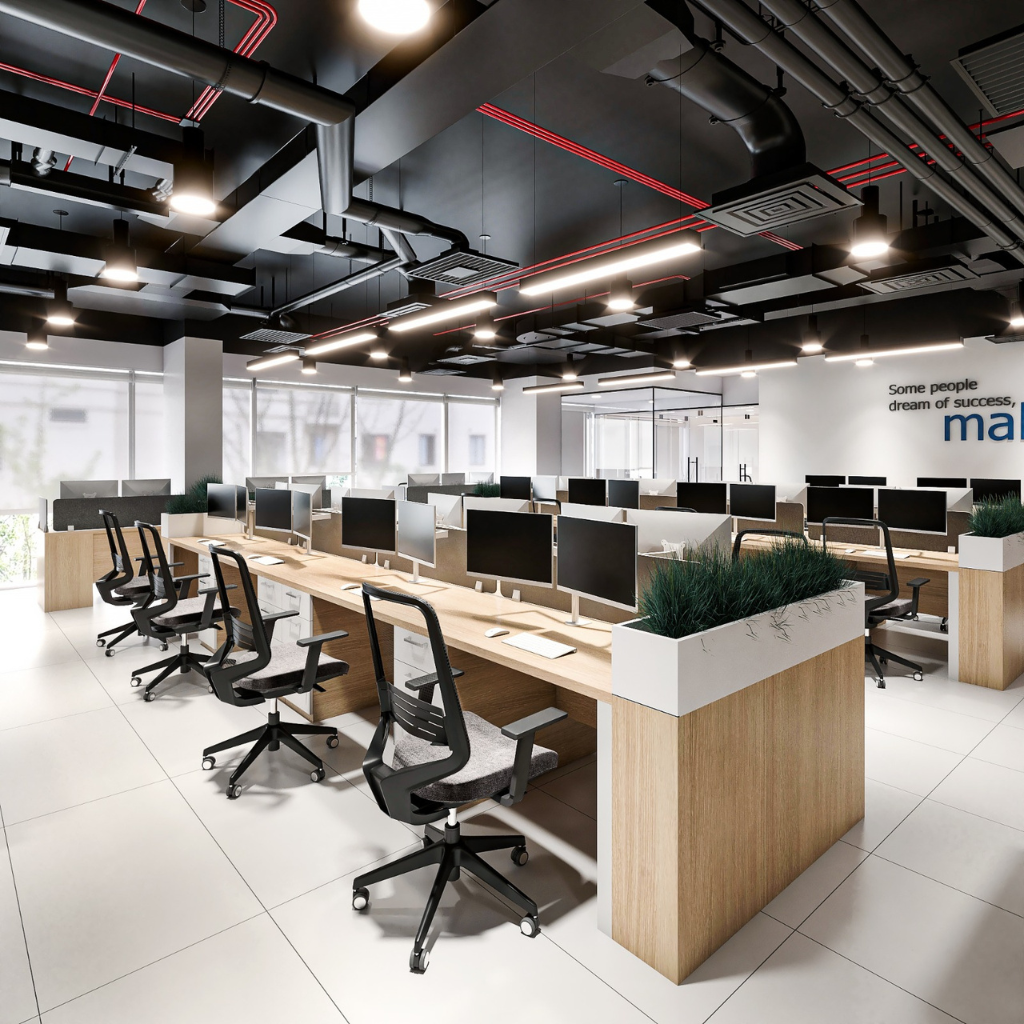
Essential Checklist for High-End Office Interior Design
Introduction
1. Strategic Space Planning
The foundation of a successful office interior design begins with proper space planning. An efficient layout ensures smooth workflow, comfortable movement, and optimal use of available space.
Key considerations include:
- Clear separation of work zones
- Efficient employee workstations
- Dedicated meeting and collaboration spaces
- Quiet areas for focused work
- Proper circulation and accessibility
2. Premium Materials and Finishes
High-end office interiors stand out because of the quality of materials used. Luxury finishes create a sophisticated and professional atmosphere while ensuring durability.
Common premium materials include:
- Natural wood and veneer panels
- Marble or stone surfaces
- High-quality flooring such as hardwood or luxury vinyl
- Glass partitions for modern office spaces
- Designer wall finishes and textures
3. Elegant Reception Area
The reception area is the first impression visitors have of your company. A well-designed reception space communicates professionalism, brand identity, and attention to detail.
Important elements include:
- A stylish reception desk
- Comfortable seating for visitors
- Branding elements such as company logos and feature walls
- High-quality lighting and décor
4. Modern Workstations
Employee workstations should be designed for both comfort and productivity. High-end offices focus on ergonomic furniture, smart layouts, and stylish workstation designs.
Key workstation features include:
- Ergonomic chairs and desks
- Sufficient workspace for employees
- Cable management systems
- Adjustable furniture for comfort
- Adequate lighting
5. Conference and Meeting Rooms
Meeting rooms are essential for business discussions, presentations, and team collaboration. High-end offices invest in well-equipped meeting spaces that combine functionality with elegant design.
Features to consider include:
- Large conference tables
- Comfortable seating
- Video conferencing technology
- Soundproof walls for privacy
- Presentation screens and smart displays
6. Lighting Design
Lighting is a critical element of interior design that affects both mood and productivity. High-end office interiors typically combine different types of lighting to create a balanced environment.
Types of lighting include:
- Ambient lighting for general illumination
- Task lighting for workstations
- Accent lighting for design features
- Decorative lighting elements for visual impact
7. Smart Office Technology
Modern high-end offices integrate technology to improve efficiency and convenience. Smart office solutions help streamline daily operations and create a modern workplace.
Examples include:
- Automated lighting systems
- Smart climate control
- Wireless presentation systems
- Integrated communication tools
- Security and access control systems
8. Acoustic and Sound Management
Noise control is important in office spaces, especially in open-plan environments. Proper acoustic design ensures employees can work comfortably without distractions.
Solutions include:
- Acoustic wall panels
- Sound-absorbing ceiling systems
- Carpeted flooring for noise reduction
- Soundproof meeting rooms
9. Breakout and Collaboration Spaces
Modern offices encourage teamwork and creativity. High-end office designs often include breakout areas where employees can relax, brainstorm, or collaborate informally.
These spaces may include:
- Lounge seating areas
- Coffee stations
- Informal meeting zones
- Relaxation areas for employees
10. Brand Identity and Visual Elements
A premium office interior should reflect the company’s brand and values. Branding elements integrated into the interior design help create a cohesive and memorable workspace.
Examples include:
- Feature walls with company branding
- Custom color schemes aligned with the brand
- Display areas for awards and achievements
- Unique design elements that represent the company culture
Conclusion:
Designing a high-end office interior requires careful planning, attention to detail, and a focus on both aesthetics and functionality. From strategic space planning and premium materials to smart technology and branding elements, every component plays a role in creating a sophisticated and productive work environment.
At Mr Design Interior Decoration LLC, we specialize in creating modern and high-quality office interiors that reflect professionalism, innovation, and style. Our team works closely with clients to design customized office spaces that enhance productivity, comfort, and brand identity.
Whether you are designing a new workspace or upgrading an existing office, investing in high-end interior design can transform your workplace into an inspiring and efficient environment.
Recent Post
- Functional Design Trends That Blend Style and Comfort
- Innovative Interior Ideas to Refresh Your Living Space
- Transform Your Home With the Modern Interior Design Tips